
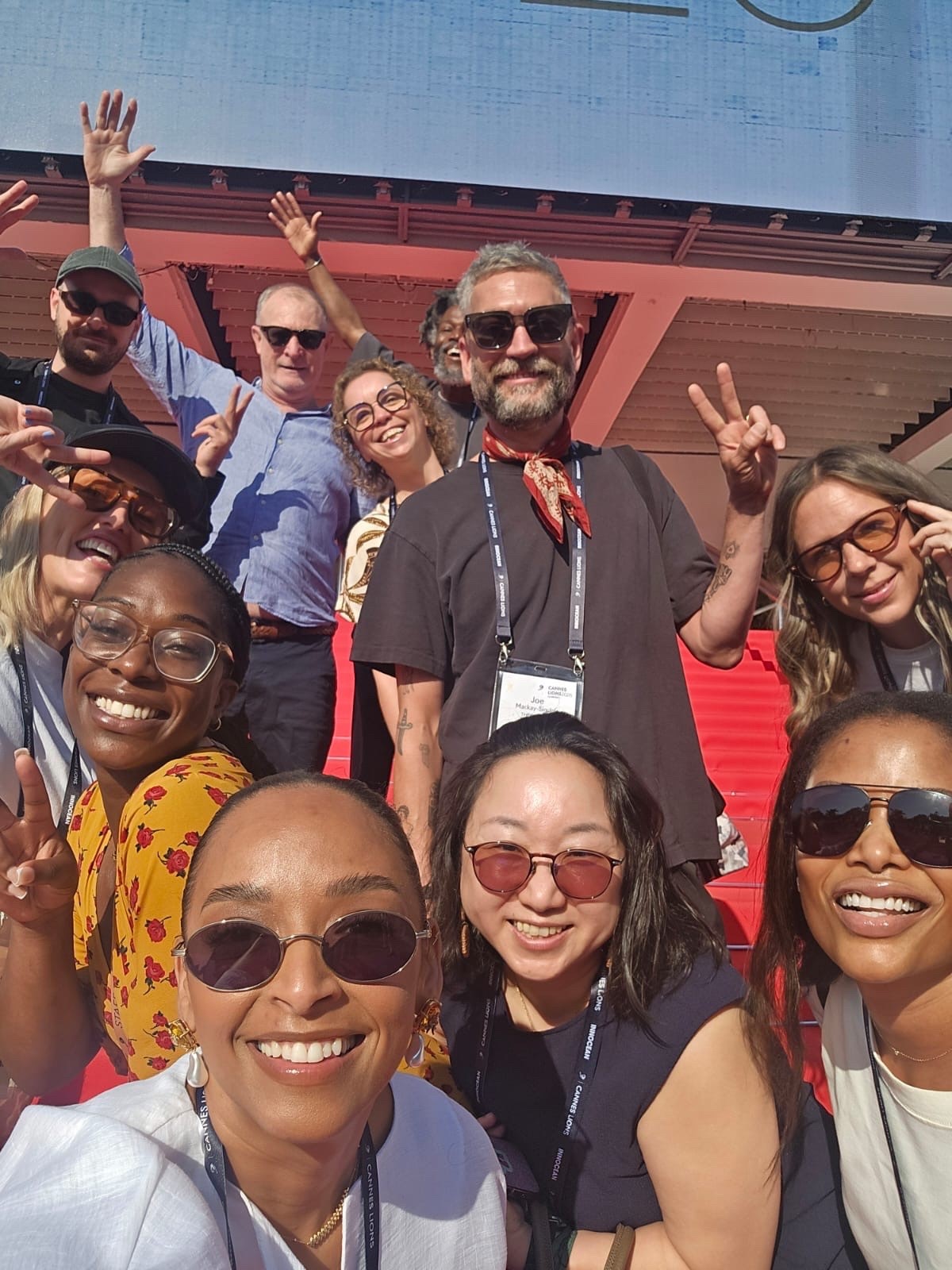
After a week on the PR Lions Jury at Cannes Lions 2026, Lauren Thomson, VP, Creative Strategy & Integrated Communications at MSL Canada, shared her perspective on the ideas, debates and creative shifts that stood out in the work.
Cannes Lions 2026 winners showed where creative standards are heading
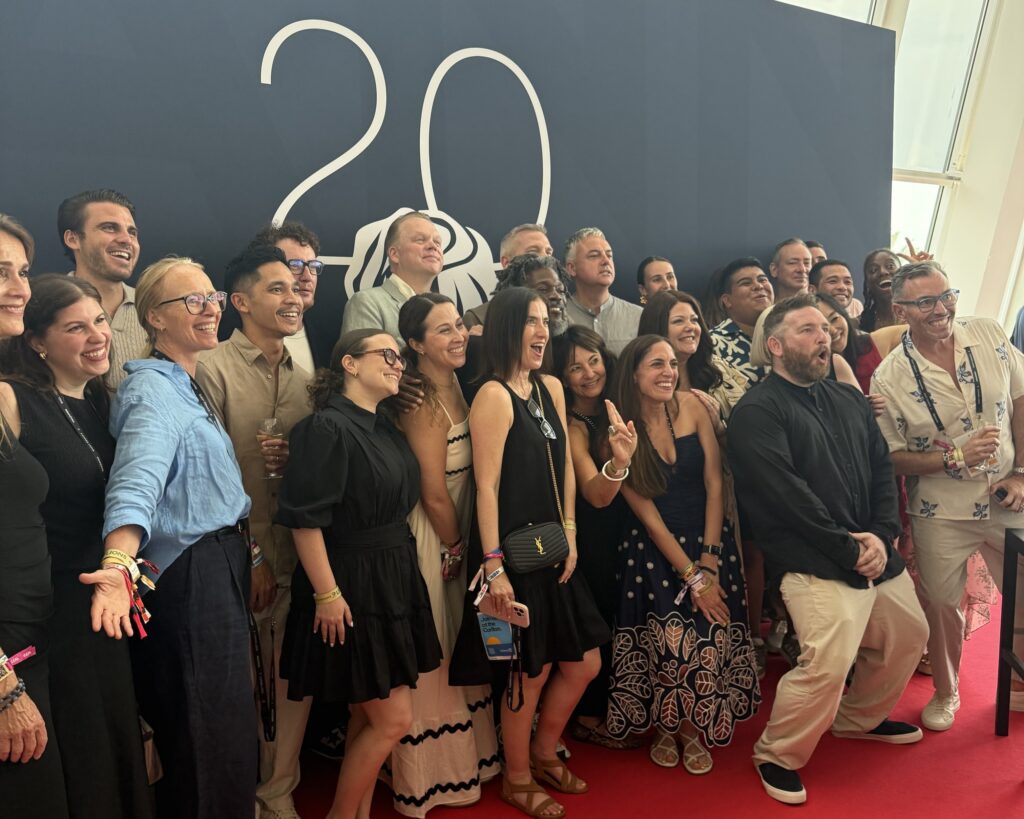
What struck you most about judging this year’s PR Lions?
The biggest realization was that Cannes Lions isn’t just an awards show. It’s one of the few places where our industry collectively decides what creativity should become next. The work that is awarded shapes future briefs, influences clients and quietly raises the creative standard for everyone else.
One idea kept resurfacing throughout the week: The strongest work is self-propelling.
You understood those campaigns quickly. They had enough energy in the idea itself to spark participation, sharing or conversation. A media plan could extend that momentum, but the idea already had a life of its own.
The best PR doesn’t ask, “How do we get attention for this?” It creates something that naturally earns attention in the first place.
Cannes Lions 2026 winners put communications at the centre of the idea.
What does that tell us about where PR is heading?
For a long time, communications has sometimes been viewed as the amplification layer, as though our role begins once someone else has had the creative idea.
Looking across this year’s winners, I came away thinking the opposite. The strongest work treated communications as the architecture of the idea.
Take One More Question. A press conference became the campaign. The communications thinking sat at the centre of the creative from the start and gave the idea its shape.
The campaigns that stayed with me created something people wanted to enter, talk about or pass along. That level of engagement came from the structure of the idea itself.
Cannes Lions 2026 winners gave earned media a bigger role
Earned media has always been central to PR. Has its role changed?
I think we’ve stopped thinking about earned media as the finish line.
For years we measured coverage as the outcome. At Cannes, it felt more like a force multiplier.
Take 600K Network. The campaign documented 600,000 acts of civic participation. That gave the story weight before headlines entered the picture. Coverage extended the credibility that was already there and helped more people see it.
That shift matters. The strongest communications today bring forward something tangible, visible and true.
Cannes Lions 2026 winners reinforced what AI can recognize
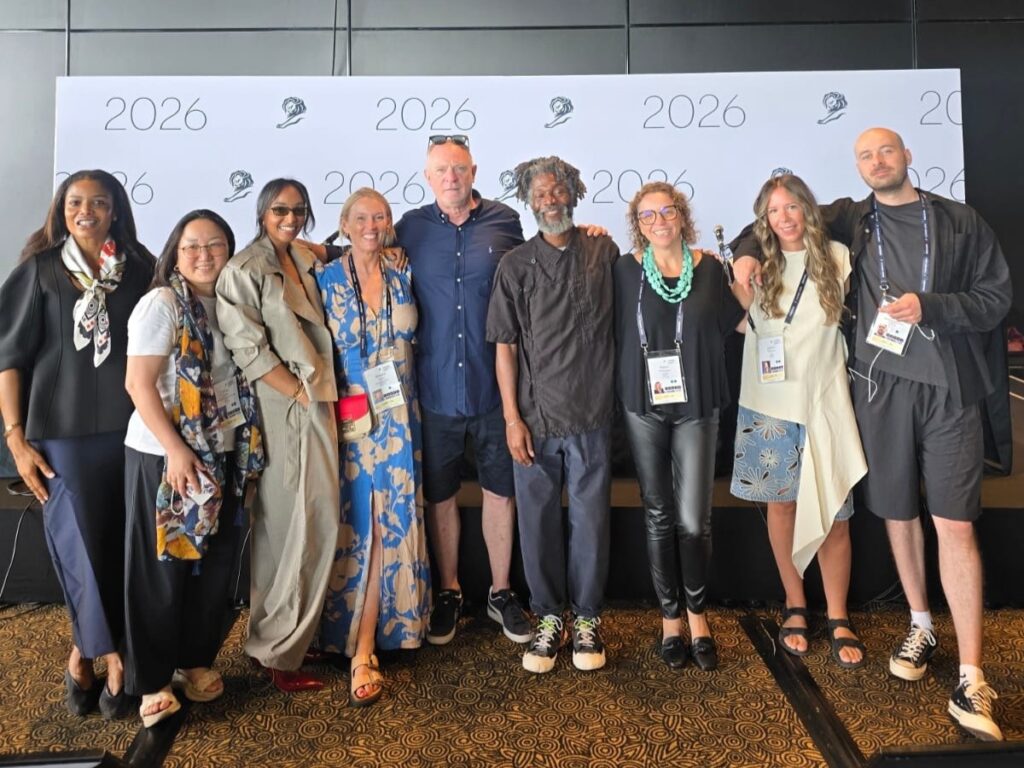
AI was everywhere at Cannes. Did it change your perspective?
Less because of what AI can create, and more because of what AI chooses to recognize.
A lot of the conversation around AI focuses on what it can produce. I left thinking more about what it can detect and connect. Large language models scan journalism, creators, experts and public conversation for signals that hold together. They build a picture of what feels credible enough to surface or recommend.
That has clear implications for PR. Campaigns that leave a clear footprint in the real world become easier to find, understand and trust. Many of those were the same campaigns we kept rewarding all week.
The best ideas create their own momentum. People carry them forward through conversation, coverage and culture. That gives both audiences and AI more evidence to work with.
As execution becomes easier and content volume keeps rising, originality matters even more. Competent output is increasingly available to everyone. Genuine ideas still stand apart because people choose to repeat them.
Cannes Lions 2026 winners pointed to broader creative shifts
Beyond individual campaigns, did you notice any broader trends?
Three stood out.
First, participation became the idea. Campaigns like (the Grand Prix!) KitKat Heist only worked because the audience became part of the execution. Participation wasn’t a KPI. It was the creative idea.
Second, humour came back with confidence. There was a clear reminder that entertainment has strategic value. Laughter gives people a reason to pay attention, remember the work and share it.
And, real PR craft had a strong presence across the winners. A lot of the work relied on timing, behaviour, cultural tension and credibility. Those have always been core communications materials, and it was exciting to see them recognized so clearly.
Cannes Lions 2026 winners highlighted a Canadian advantage
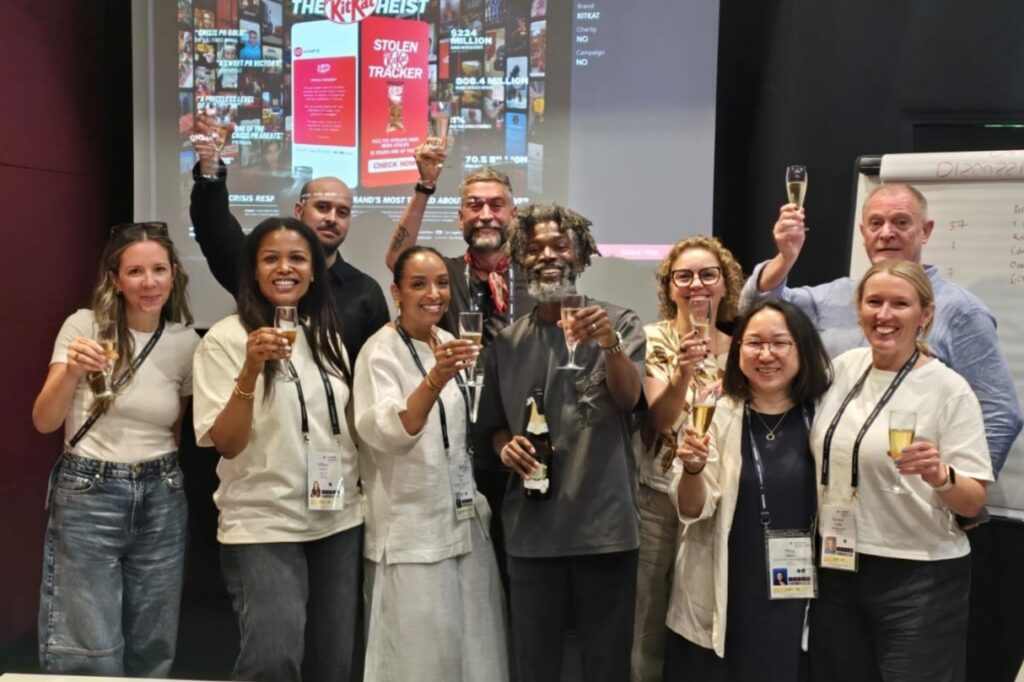
What made you most proud as a Canadian juror?
Honestly, Canada.
Sitting alongside jurors from much larger markets, I was reminded how resourceful Canadian creativity has become.
We rarely have the biggest budgets or the largest media ecosystems, so we’ve become very good at building ideas that have to travel on their own. We don’t always have the luxury of relying on scale, so we’ve learned to rely on the strength of the idea itself.
In many ways, I think that’s becoming a competitive advantage. As content gets easier to make, the ideas that stay with people will keep rising. The work people continue talking about after the campaign window closes will have the strongest edge.
A favourite campaign from Cannes Lions 2026
What was your favourite campaign?
I mean its counter to what I just shared re: budgets but Expedition Impossible by Columbia Sportswear.
It made me laugh almost immediately, which is probably why it stayed with me.
The premise was brilliantly simple: challenge Flat Earthers to find the edge of the Earth, with the prize being ownership of the company.
It was bold, disruptive and unapologetically funny, but underneath the humour was incredibly smart communications thinking. The CEO became part of the story, the public became part of the idea, and the communications strategy wasn’t supporting the creative. It was the creative.
It was also self-propelling. You didn’t need someone to explain why it was funny or why it mattered. The idea carried itself.
It was a great reminder that some of the smartest work doesn’t take itself too seriously.